11 Facts About Animal Testing
Welcome to DoSomething.org, a global movement of millions of young people making positive change, online and off! The 11 facts you want are below, and the sources for the facts are at the very bottom of the page. After you learn something, Do Something! Find out how to take action here.
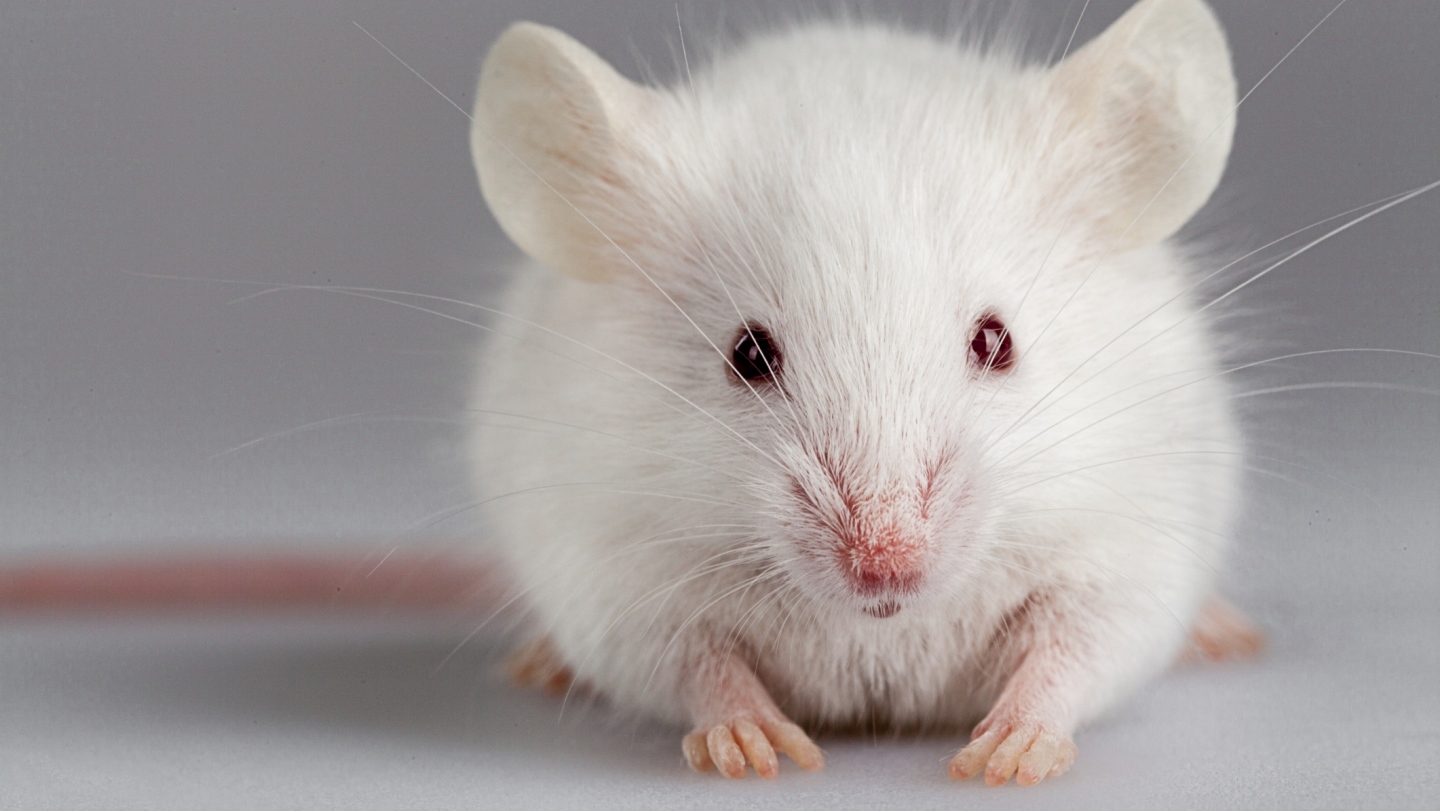
- Over 100 million animals are burned, crippled, poisoned, and abused in US labs every year. [People for the Ethical Treatment of Animals. "Animal Testing" Web Accessed July 30, 2024.]
- 92% of experimental drugs that are safe and effective in animals fail in human clinical trials because they are too dangerous or don’t work. [People for the Ethical Treatment of Animals. "Animal Testing" Web Accessed July 30, 2024.]
- Labs that use mice, rats, birds, reptiles and amphibians are exempted from the minimal protections under the Animal Welfare Act (AWA). [New England Anti-Vivisection Society. "Animal Testing" Web Accessed August 19, 2024.]
- Up to 90% of animals used in U.S. labs are not counted in the official statistics of animals tested. [Humane Society International. "Animal Testing" Web Accessed August 19, 2024.]
- Europe, the world’s largest cosmetic market, Israel and India have already banned animal testing for cosmetics, and the sale or import of newly animal-tested beauty products. [Humane Society International & The Humane Society of the United States. "Animal Testing" Web Accessed August 19, 2024.]
- Even animals that are protected under the AWA can be abused and tortured. And the law doesn’t require the use of valid alternatives to animals, even if they are available. [Vanderau, Melanie L. "Animal Testing" Web Accessed August 19, 2024.]
- According to the Humane Society, registration of a single pesticide requires more than 50 experiments and the use of as many as 12,000 animals. [Moxley, Angela. "The End of Animal Testing." "Animal Testing" Web Accessed August 19, 2024.]
- In tests of potential carcinogens, subjects are given a substance every day for 2 years. Others tests involve killing pregnant animals and testing their fetuses. [Moxley, Angela. "The End of Animal Testing." "Animal Testing" Web Accessed August 19, 2024.]
- The real-life applications for some of the tested substances are as trivial as an “improved” laundry detergent, new eye shadow, or copycat drugs to replace a profitable pharmaceutical whose patent expired. [Moxley, Angela. "The End of Animal Testing." "Animal Testing" Web Accessed August 19, 2024.]
- Alternative tests achieve one or more of the “3 R’s:” replaces a procedure that uses animals with a procedure that doesn’t, reduces the number of animals used in a procedure, refines a procedure to alleviate or minimize potential animal pain. [Ibrahim, Darian M. "Reduce, refine, replace: The failure of the three R's and the future of animal experimentation." "Animal Testing" Web Accessed August 19, 2024.]
- Several cosmetic tests commonly performed on mice, rats, rabbits, and guinea pigs include: skin and eye irritation tests where chemicals are rubbed on shaved skin or dripped into the eyes without any pain relief. [Humane Society of the United States. "Animal Testing" Web accessed August 19, 2024.]
GET INVOLVED
Take action to make a difference in your community today